
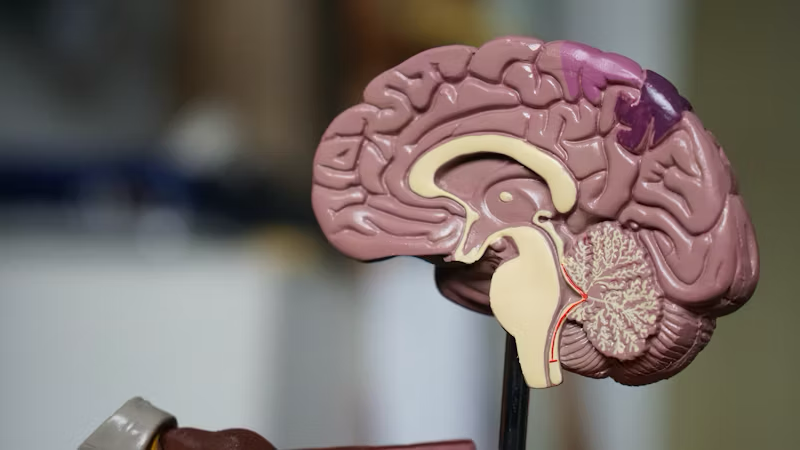
Forgetting where you placed your keys is one thing, but forgetting how to use them is something else entirely. Memory lapses are a normal part of life, yet when they begin to interfere with daily routines, they can signal a deeper concern. Alzheimer’s disease is the most common cause of progressive cognitive decline, affecting millions of families worldwide.
Understanding what Alzheimer’s is, how it develops, and how it differs from general forgetfulness is the first step toward early intervention. This guide breaks down the essentials of Alzheimer’s Memory Decline, explores its causes, and explains why timely assessment matters.
What Is Alzheimer’s Memory Decline?
Alzheimer’s disease is a progressive neurological disorder that gradually destroys brain cells responsible for memory, thinking, and behaviour. It is the leading cause of dementia, accounting for roughly 60–70% of all dementia cases globally.
Unlike normal age-related forgetfulness, Alzheimer’s Memory Decline worsens over time. It begins subtly, often dismissed as routine ageing, but eventually disrupts a person’s ability to perform familiar tasks, recognise loved ones, or maintain independence.
The disease is characterised by abnormal protein deposits in the brain, specifically beta-amyloid plaques and tau tangles, which interfere with neuron communication and eventually cause brain tissue to shrink.
Dementia vs Alzheimer’s Difference
A common source of confusion is the distinction between dementia and Alzheimer’s. The two terms are often used interchangeably, but they are not the same.
Dementia is an umbrella term describing a group of symptoms, including memory loss, impaired reasoning, and behavioural changes. Alzheimer’s is a specific disease that causes dementia.
In other words, all people with Alzheimer’s have dementia, but not all people with dementia have Alzheimer’s. Other forms of dementia include vascular dementia, Lewy body dementia, and frontotemporal dementia, each with its own causes and progression patterns.
Understanding this Dementia vs Alzheimer’s Difference matters because each condition requires a slightly different approach to diagnosis, care, and treatment.
Recognising Progressive Memory Loss
Progressive Memory Loss is the hallmark symptom of Alzheimer’s, but it rarely appears in isolation. The disease affects multiple cognitive functions, and symptoms typically evolve in stages.
Early Signs
In the early stage, individuals may experience mild forgetfulness, particularly with recent events or conversations. They might repeat questions, misplace items frequently, or struggle to find the right words. Subtle changes in mood, judgement, or organisational skills can also appear at this stage.
Middle Stages
As the disease progresses, memory gaps become more pronounced. Affected individuals may forget personal details, become disoriented in familiar places, or have difficulty managing finances and daily routines. Personality shifts, increased anxiety, and sleep disturbances often emerge during this phase.
Advanced Stages
In later stages, individuals lose the ability to communicate effectively, recognise close family members, or care for themselves. Physical symptoms such as difficulty swallowing, walking, and controlling bodily functions develop, requiring full-time care and support.
Alzheimer’s Risk Factors
While the exact cause of Alzheimer’s remains under investigation, researchers have identified several Alzheimer’s Risk Factors that increase the likelihood of developing the disease.
Age and Genetics
Age is the strongest known risk factor. Most individuals diagnosed with Alzheimer’s are over 65, and the risk doubles roughly every five years after that age. Family history and certain genetic markers, such as the APOE-e4 gene, also contribute to higher susceptibility.
Lifestyle and Health Conditions
Cardiovascular health plays a significant role in brain health. High blood pressure, diabetes, obesity, smoking, and high cholesterol have all been linked to a greater risk of cognitive decline. A sedentary lifestyle and poor diet can further accelerate brain ageing.
Social and Cognitive Engagement
Low levels of social interaction, depression, and lack of mental stimulation may also increase risk. Conversely, lifelong learning, social activity, and physical exercise are associated with better cognitive resilience.
The Importance of a Memory Loss Evaluation
Early diagnosis can make a significant difference in managing Alzheimer’s. A thorough Memory Loss Evaluation helps determine whether symptoms stem from Alzheimer’s, another form of dementia, or a treatable condition such as thyroid dysfunction, vitamin deficiency, or depression.
An evaluation typically includes a detailed medical history, cognitive testing, neurological examination, and sometimes brain imaging or blood work. Identifying the underlying cause allows clinicians to recommend targeted treatments, lifestyle adjustments, or supportive therapies.
Seeking assessment at the first signs of concern can also provide families with time to plan, access resources, and explore care options before symptoms advance.
Brain Health Ireland: Supporting Cognitive Wellness
Brain Health Ireland reflects a growing national focus on prevention, early detection, and ongoing care for those at risk of cognitive decline. With an ageing population, awareness of dementia and Alzheimer’s continues to rise across Irish communities.
Specialist clinics now offer comprehensive memory assessments, neurological consultations, and personalised care plans. These services are designed to support not only the individual but also their families, who play a central role in long-term care.
Maintaining brain health involves more than medical intervention. Regular physical activity, a balanced diet rich in omega-3s and antioxidants, quality sleep, social engagement, and managing stress all contribute to long-term cognitive wellness.
Alzheimer’s Condition Explained: Treatment and Management
There is currently no cure for Alzheimer’s, but treatments can help manage symptoms and improve quality of life. Medications such as cholinesterase inhibitors and memantine may slow cognitive decline in certain stages.
Non-drug approaches are equally valuable. Cognitive stimulation therapy, structured routines, music therapy, and supportive counselling can enhance daily functioning and emotional well-being.
For families, education and support networks are essential. Caring for a loved one with Alzheimer’s can be physically and emotionally demanding, and connecting with professionals or support groups makes the journey more manageable.
Frequently Asked Questions
At what age should I be concerned about memory loss?
Occasional forgetfulness is normal at any age, but if memory lapses begin to interfere with daily life, particularly after age 60, it is worth seeking a professional evaluation. Early assessment helps rule out reversible causes and provides clarity.
Can Alzheimer’s be prevented?
There is no guaranteed way to prevent Alzheimer’s, but lifestyle choices can reduce risk. Regular exercise, a heart-healthy diet, mental stimulation, social engagement, and managing conditions like hypertension and diabetes all support long-term brain health.
How is Alzheimer’s diagnosed?
Diagnosis involves a combination of medical history review, cognitive and neurological testing, and sometimes brain imaging or blood tests. There is no single test for Alzheimer’s, so a comprehensive evaluation by a qualified specialist is essential.
Final Thoughts
Alzheimer’s is a complex condition, but understanding it empowers individuals and families to act early. Recognising the signs of Progressive Memory Loss, knowing your Alzheimer’s Risk Factors, and seeking a timely Memory Loss Evaluation can shape better outcomes and provide meaningful support along the way.
If you or a loved one is noticing changes in memory or cognition, professional guidance is the most important next step. Learn more about memory loss and dementia care here.

