
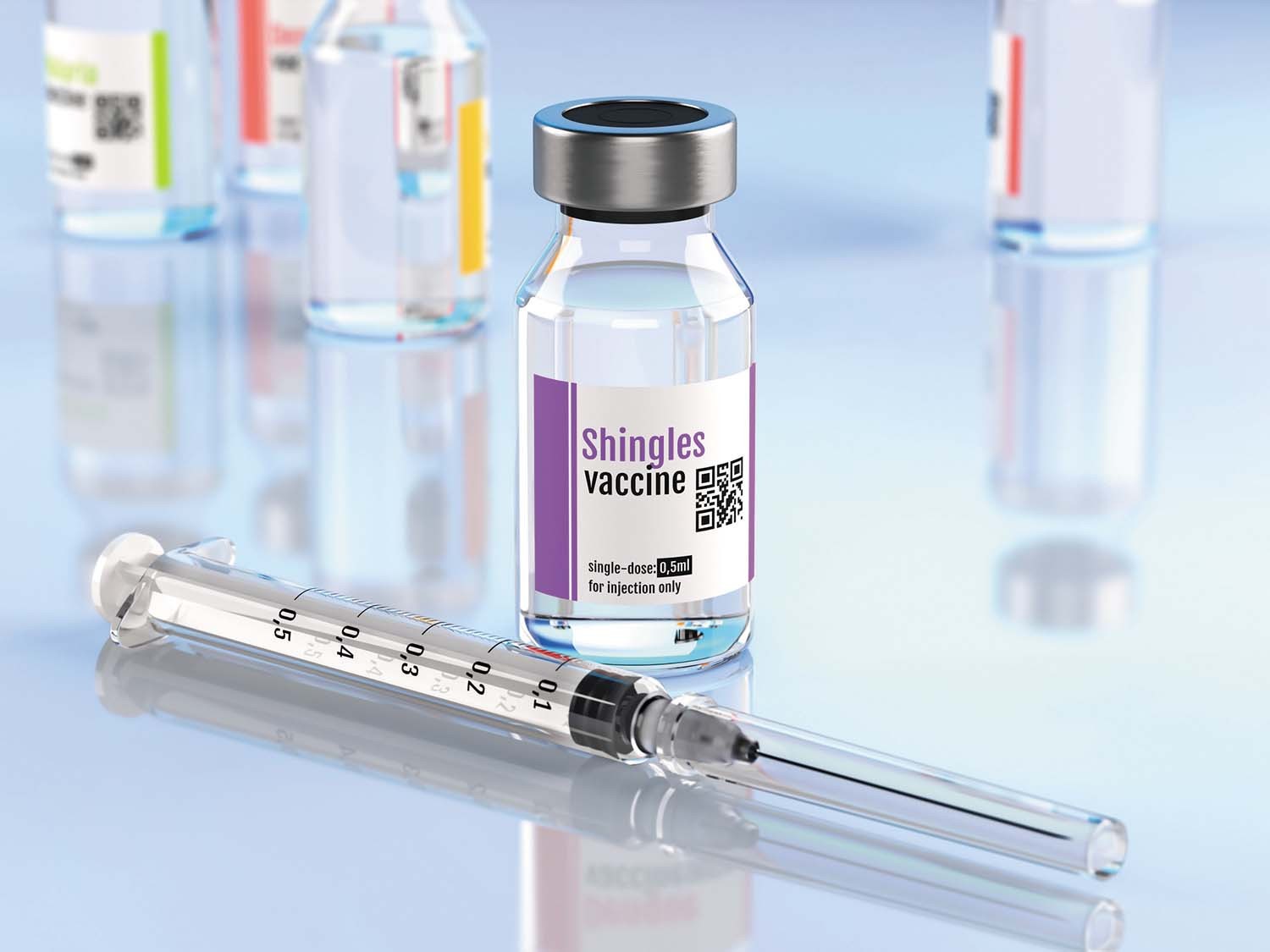
Shingles is one of those conditions that people often think they understand, until it shows up. Maybe in a friend, a partner, or a parent. Or suddenly, in themselves. Though it is often described as a rash, that doesn’t really reflect it. In ways others would not anticipate, shingles may be extremely painful, wearisome, and disruptive. And for some, the agony doesn’t stop once the rash disappears.
Particularly after age 50, shingles becomes increasingly common. Shingles immunisation has become an essential part of senior preventive medical care in Ireland. Today’s shingles vaccinations in Dublin facilities shield against not just the disease itself but also the chronic nerve pain that could follow. Understanding who needs the shot, how it operates, and how shingles vaccination in Ireland complements your overall health, which can help make these decisions less intimidating and easier, we are here to help!
What Is Shingles?
The varicella-zoster virus, which causes chickenpox, also causes shingles. Though the majority of people had chickenpox as children, the virus never entirely leaves your body, even if you have little memory of it.
Rather, it remains dormant in the nervous system. Years, even decades, can go by without any evidence of it. Then, later in life, it can reactivate.
Why Age Increases the Risk
Our immune system naturally weakens as we grow. slowly, not suddenly and certainly not dramatically. This change might enable latent viruses to resurface. The reactivation of the varicella-zoster virus causes shingles.
Usually appearing as a painful, blistering rash on one side of the face or body, the ailment. For some people, tingling or pain precedes the rash, which is distressing and puzzling. Particularly those over 60, adults over 50 are at a much higher risk for both shingles and its problems. This explains why older adults should receive the zoster shot.
Who Should Consider the Shingles Vaccine in Ireland
Adults aged 50 and over are the main target of the Irish guidelines on shingles immunisation. This group gains the most as shingles’ likelihood increases gradually with age, even in individuals who think they are mostly fit and active.
Those with immune-system-weakening diseases like diabetes and autoimmune disorders, as well as those receiving certain cancer treatments, may also be told to get vaccinated. Their chance of issues sometimes increases, and their healing could take longer.
Although they cannot recall it clearly, most Irish have had chickenpox already. That implies the body already has the virus. This is why the shingles vaccine companies in Dublin advise it even if you have no recall of having chickenpox. Anyone aiming to reduce their chance of permanent nerve damage and prevent shingles pain should seek a doctor’s advice on immunisation.
What the Zoster Vaccine Does
Zoster vaccination improves the immune system’s control of the varicella-zoster virus. Increasing immunological memory helps the body to keep the virus dormant instead of letting it resurface.
In Ireland, the shingles immunisation is administered in two shots. These doses are given two to six months apart to guarantee the immune system develops solid, long-lasting protection. Though your GP or nurse will advise you on the timing, finishing both doses is essential for the vaccine to function as effectively as possible.
Study after study has shown that vaccination significantly reduces the risk of shingles. Should shingles occur after immunisation, it is often less severe, shorter, and much less intrusive.
Reducing the risk of post-herpetic neuralgia is among the most significant advantages. This is the ongoing nerve pain that can persist for months or even years after the rash resolves. Usually, much simpler than attempting to control it later, avoiding shingles pain with immunisation is also far easier.
Why Prevention Matters More Than Treatment
Once shingles develops, treatment options are limited. Starting early, antiviral medicine can be useful; however, pain reduction is not always complete. Some people recover quickly. Others don’t.
Vaccinations move the emphasis from response to prevention. Although it does not guarantee total immunity, it greatly reduces the likelihood of serious illness and the protracted consequences. For many older adults, that risk reduction alone is reason enough.
How to Get Shingles Vaccination in Dublin
Depending on eligibility through public programmes, access to shingles vaccination services in Ireland might differ. Many adults, therefore, choose to get vaccinated outside public venues, especially if they need quick access and flexible appointment times.
Making a shingles vaccine appointment in Dublin with a private clinic lets you arrange your life and get care in a quiet, patient-centred atmosphere. Moreover, it lets your doctor see vaccination as one element of your whole healthcare plan.
As part of its wide-ranging GP and preventive care services, Ellwood Clinic provides shingles vaccination and offers explicit guidelines, appropriate screening, and necessary follow-up support.
Can You Still Get Shingles After Vaccination?
Since no vaccine provides complete protection, shingles can still strike after vaccination. These circumstances, on the other hand, are typically far less likely to cause long-term nerve pain and often much less severe.
Usually, vaccinated individuals have milder symptoms, a shorter illness duration, and a substantially reduced risk of post-herpetic neuralgia. That reduction in severity is particularly important as we age.
How to Get Shingles Vaccination in Dublin
Access to shingles vaccination services in Ireland could differ depending on eligibility under public programs. Many adults, therefore, opt to be vaccinated in secret, particularly if they need quick access and flexible appointments.
Booking a shingles vaccine Dublin visit via a private clinic gives you the opportunity to organise your life and receive therapy in a quiet, patient-centred environment. Moreover, it allows your doctor to consider vaccination as part of your overall medical plan.
As part of its comprehensive GP and preventive care programs, Ellwood Clinic provides shingles immunisation in accordance with clear guidelines, appropriate screening, and, as required, follow-up support.
FAQs
Is the shingles vaccine safe for people over 50?
Yes. Extensive studies on the shot show it is both safe and effective, with mostly mild, temporary side effects.
How long does protection from the zoster vaccine last?
Based on ongoing studies following long-term effectiveness, the present results show that protection lasts several years.
Can I get the vaccine if I’ve already had shingles?
Yes. Vaccination can yet lower the chance of complications and future episodes.
Conclusion
In an always-connected world, business success depends on networks that are always Shingles is common, often painful, and far more likely to affect adults over 50 in Ireland. It can still be avoided, even if it cannot always be predicted. Shingles vaccination reduces the risk of infection, complications, and ongoing nerve pain.
People can have greater control over when and how they get protection by opening a private shingles jab. Including the zoster vaccine at Ellwood Clinic, the shingles vaccine Dublin centres offer a sure way to avoid shingles discomfort and preserve long-term health.
Talking to your GP about it is a sensible first step if you are over 50 or have risk factors that increase your risk of shingles. Learn more about potential immunisation options by checking the preventative care section on the Ellwood Clinic vaccines page.

