
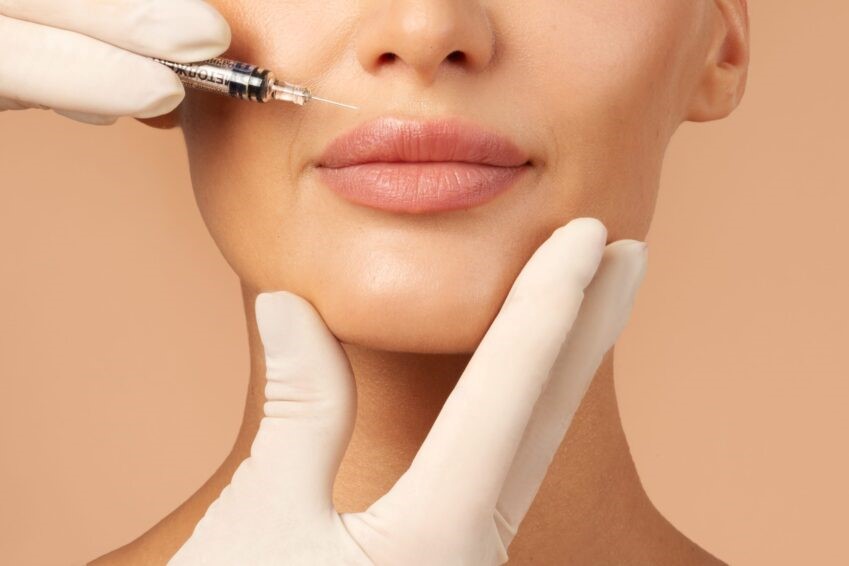
In recent years, non-surgical cosmetic procedures have become increasingly popular. People are more receptive to them these days, but they also typically seek mild modifications rather than anything revolutionary. They only want to seem a little bit more rejuvenated. A bit less tired. That sort of thing. Dermal Fillers, which are applied to restore facial volume, soften wrinkles, and gently shape facial contours, are among the therapies most frequently mentioned in clinics.
Unfortunately, ageing generally alters the facial structure over the course of decades. The skin slowly loses collagen and elasticity; the small fat pads that give the cheeks their natural shape begin to change or shrink. The outcome might be faint lines, hollow spots, and a face a little less distinct than before.
Many patients seeking dermal filler services in Ireland aren’t looking for dramatic transformations. Usually seeking minor improvements that still look natural, something that matches their face instead of transforming it totally. We’ll examine in the following sections how dermal fillers work, the areas they can treat, their advantages, what to expect during visits, and why selecting skilled clinicians is essential to achieving natural, balanced results.
What Are Dermal Fillers and How Do They Work?
Usually made from hyaluronic acid, a naturally occurring substance in the body, dermal fillers are injectable gels. It helps the skin retain volume, elasticity, and hydration, which makes it quite important. The skin naturally has higher concentrations of it when we are young. But eventually those levels drop, and that’s when wrinkles and volume loss become very obvious.
Therapy involves the practitioner delivering small amounts of filler under the skin using a very small needle or cannula. The goal isn’t simply to “fill” a wrinkle. Instead, the injections are used to restore structure and support areas where volume has diminished.
Modern cosmetic filler injections emphasise balance above anything else. They are supposed to enhance natural qualities rather than completely change them. Even if they cannot explain why, people usually remark that someone looks renewed or rested following appropriate execution.
Common Areas Treated with Dermal Fillers
One of the reasons dermal fillers are so often employed in medicine is their great versatility. Filler therapies work differently on various parts of the face; thus, a practitioner often chooses the treatment location depending on the area of enhancement desired by the client.
Treatment most often noted probably relates to the lips. Facial fillers can correct asymmetry, enhance the lip border, or add modest volume. In many cases, the goal isn’t bigger lips, just better shape and balance.
Cheeks are another common treatment area. Over time, the mid-face can lose fullness, which sometimes creates a slightly tired or flattened appearance. Restoring volume to the cheeks can help support the surrounding facial structure.
Other areas often treated include smile lines, also called nasolabial folds, as well as the jawline and chin. In some cases, hyaluronic acid fillers are used under the eyes to reduce hollowing and brighten the overall appearance of the face.
Benefits of Choosing Dermal Fillers
There are a few reasons why dermal fillers remain among the most requested treatments worldwide. One of the main benefits is that they offer clear enhancements without surgery. Fillers help patients address volume loss and wrinkles as a form of non-surgical facial rejuvenation, without the longer recovery time associated with more invasive treatments.
Furthermore, the advantage is convenience. Since most dermal filler therapies have little recovery time, many individuals may typically resume their regular activities somewhat quickly, even the same day.
The results themselves are also fairly immediate. While the final appearance takes a few days to settle, patients often see improvements right after treatment. That immediate feedback tends to make the treatment appealing.
At the same time, when fillers are placed carefully, the outcome usually looks natural rather than obvious. The face simply looks a bit more balanced, maybe a bit more rested.
What to Expect During a Dermal Filler Appointment
A dermal filler appointment almost always starts with a consultation. This is where the practitioner evaluates facial structure and skin quality, and guides the client toward their goal. Some people show up thinking they need therapy in one area; however, after a complete assessment, the plan could differ slightly.
Every face is different, so generally speaking, treatment regimens are customised, not standardised. That individualised approach guarantees that filler use improves the natural shape of the face.
Usually lasting 30 to 45 minutes, the injection technique varies with the number of sites being addressed. One might beforehand apply a topical cream to make the encounter more tolerable.
Most patients say the injections are moderate. There may be minor swelling or redness after treatment, but this usually resolves quickly.
Results and Longevity of Dermal Fillers
One thing people generally love about dermal fillers is how quickly the results show up. Many patients see improved contour or regaining volume right after the treatment, even if minor swelling makes the end result somewhat less clear at first.
The filler fits surrounding tissue over the next few days. The results usually seem smoother and more realistic as this happens. Lines may appear smoother, facial contours slightly more defined, and areas that looked hollow may appear fuller again.
Fillers’ lifespan relies on multiple variables. The type of product applied, the treatment area, and individual metabolism all factor in. Usually, between six and eighteen months before the body progressively absorbs hyaluronic acid fillers, they last.
Others opt for periodic maintenance therapies to help maintain consistent results over time.
Why Expertise Matters for Injectable Treatments
Though they are common, dermal fillers still fall under medical treatment and should be treated seriously. The face has sophisticated anatomy, including blood vessels, nerves, and delicate structures that need exact knowledge when injections are given.
Injectable treatment specialists spend years honing the ability required to precisely and safely inject filler. Essential knowledge is facial proportions, depth of injection, and product choice.
Usually, treatments done by Dermal Filler Specialists produce better, more organic results. Focusing on balance rather than just boosting volume, experienced practitioners help to retain the distinctive quality of the face.
Another top priority is patient safety. Good training, sterile procedures, and careful evaluation greatly reduce the risk of complications and ensure that results remain subtle and appropriate for the patient.
FAQs
Are dermal fillers safe?
Indeed, dermal fillers are often used in cosmetic medicine and are deemed safe when administered by competent Dermal Filler Experts using authorised materials.
How long do dermal fillers last?
Depending on the treatment area and the person’s metabolism, most hyaluronic acid dermal fillers last 6 to 18 months.
Do dermal filler injections hurt?
Most patients say the therapy is somewhat uncomfortable instead of agonising.
Conclusion
One of the most commonly used choices for non-surgical facial rejuvenation, dermal fillers have an easy explanation for their popularity. Without surgery or long rehabilitation, they can restore lost volume, soften wrinkles, and improve facial contours.
By carefully placing hyaluronic acid fillers beneath the skin, practitioners can enhance facial balance while preserving natural expressions. The aim is not to completely alter someone’s look but rather to help them look like a slightly more rejuvenated version of themselves.
The process entails preferably seasoned practitioners. Treatments performed by Dermal Filler Experts ensure that injections are carefully planned and tailored to each patient’s anatomy.
For those considering dermal filler services in Ireland, Ellwood Clinic provides personalised consultations and modern treatments designed to support natural, confident results.
For More Insight, Click Below:
Discover Polynucleotide Treatment for Skin Rejuvenation in Ireland

