
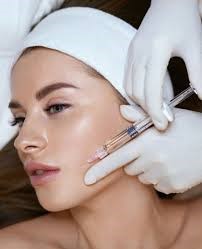
Most treatments targeted specific regions for years, injecting volume and smoothing wrinkles, all of which could be visible on the surface. Though those methods are still rather common, the dialogue on skin care has slowly changed.
More practitioners are now curious about therapies that help the skin from the inside rather than just altering its outside look. Although the underlying physics is more complex, the concept is relatively simple. Rather than treating a certain issue, several techniques encourage the skin’s natural healing mechanisms.
What Is Polynucleotide Treatment?
Purified DNA fragments, called polynucleotides, are used in regenerative injections. While the idea of the therapy is rather simple, that description can at first sound a little strange. Tiny injections introduce these substances beneath the skin, thereby stimulating cellular activity associated with repair and regeneration.
When applied to the skin, polynucleotides boost collagen formation, support tissue repair, and increase hydration. The skin does not quickly change overnight. Instead, it grows more resilient and powerful over time as these natural healing systems work more vigorously.
This approach is distinct from other injected medicines. Anti-wrinkle injections relieve particular muscles; dermal fillers replace volume. Polynucleotide treatment centres mostly focus on the skin itself. It promotes better skin over time rather than producing a rapid visible change, working underneath the surface.
Key Benefits of Polynucleotide Skin Rejuvenation
One of the causes polynucleotide Treatment has drawn interest is that it emphasises incremental development rather than a fast fix. Many patients choose it specifically because the changes tend to appear slowly and naturally.
One great advantage is better skin elasticity. Promoting collagen and elastin creation, polynucleotides help to produce structural proteins responsible for rigidity. The skin could appear softer and a little bit tougher as collagen levels rise.
Hydration is another major effect. Better moisture retention by the skin, made possible by polynucleotides, helps create a brighter, softer appearance. Many patients also experience less sluggishness and a more uniform texture as their degree of hydration increases.
Stressed or damaged skin from the environment can also benefit from the therapy. Because it promotes natural healing processes, changes often manifest progressively over several weeks rather than immediately following therapy.
Areas That Can Be Treated with Polynucleotides
Polynucleotide treatment is often used because it can be applied to several different areas where skin quality becomes a concern. The most often treated area is the face. Early indicators of ageing, dehydration, or uneven texture drive many patients to seek therapy.
The delicate under-eye region is yet another area often injected with polynucleotides. Regenerative therapies can sometimes help maintain moisture and encourage repair since skin in this area is thinner and more likely to show dryness or fine lines.
The neck and decolletage are among other frequently addressed regions. Collagen loss in these regions over time can cause laxity or clearly defined wrinkles. Since they typically show indications of ageing sooner than anticipated, hands are frequently handled as well.
In some cases, regenerative injections may also support skin affected by acne scarring or environmental stress.
What to Expect During a Polynucleotide Treatment Session
Typically, following a consultation is a Polynucleotide Treatment session. During this phase, the doctor examines the skin, reviews the medical history, and discusses treatment objectives with the patient. This stage aids in evaluating the acceptability of the treatment and directing its modification.
The actual injection procedure is rather simple once a therapy plan is developed. Usually lasting from 30 to 45 minutes, depending on the areas to be treated.
Targeted regions of the skin are injected with the regenerative solution in a series of tiny injections. Many patients find the therapy bearable, especially when a topical numbing lotion is applied prior to.
Some modest redness or swelling can appear following treatment. Usually settling within 24 to 48 hours, these impacts are transient.
How Many Treatments Are Typically Needed?
Usually best performed as part of a methodical course of treatment rather than a one-time session, regenerative treatments. Practitioners advise most patients between two and four treatments.
Usually spread several weeks apart, these sessions are held between appointments, and the skin may react to each phase of the stimulus before the next appointment starts. Polynucleotides look slow because Treatment boosts collagen production and promotes tissue repair.
Patients sometimes notice early changes in skin texture and moisture within a few weeks. Larger changes, such as greater elasticity or improved skin structure, could take more time to become visible.
Depending on age, skin condition, and lifestyle, results might persist for months. Many patients choose to keep their skin looking its best through intermittent maintenance treatments, generally once or twice a year.
Why Expertise Matters for Injectable Skin Treatments
Injectable therapies call for more than just technical skill. They also need a thorough knowledge of skin biology, facial anatomy, and appropriate injection methods. Small changes in product placement might affect therapy results.
Specialists in skilled injection procedures are trained to evaluate skin condition, determine the appropriate dose, and administer injections at the correct anatomical depth. This exactness helps to raise results and safety as well.
Maintaining treatment safety also depends much on using medical-grade goods and adhering to clinical processes. Good clinics emphasise individualised planning and consultation over providing the same procedure to every patient.
Who Is an Ideal Candidate for Polynucleotide Treatment?
Many patients considering Polynucleotide Treatment want only small improvements in skin quality rather than radical transformations. Good applicants are those who exhibit the earliest signs of ageing, such as fine lines, decreased elasticity, or dehydration.
Regenerative injections may also help those with worn-out or drab skin. Lifestyle choices, including sun exposure, pollution, and daily stress, can affect skin texture over time; treatments that promote repair mechanisms might help regain equilibrium.
Still another reason some patients choose this therapy is the slow appearance of the outcomes. Rather than undergoing a rapid metamorphosis, the skin seems healthier and more robust.
A professional assessment helps to determine the fit of polynucleotide therapy into a customised skincare.
FAQs
Is Polynucleotide Treatment safe?
Polynucleotide injections are normally used in reconstructive cosmetic procedures and are regarded as safe when given by qualified experts utilising medical-grade materials.
When will I see results from polynucleotide therapy?
Results tend to develop gradually. Many patients notice better hydration and a silkier skin texture within a few weeks; collagen stimulation improves skin quality over time.
Is Polynucleotide Treatment painful?
Most patients can endure the operation reasonably well. Before the injections.
Conclusion
Regenerative therapies are slowly changing. Many contemporary treatments emphasise the skin’s natural capacity to heal and strengthen rather than focusing solely on cosmetic improvements.
Polynucleotide therapy perfectly captures this metamorphosis. Over time, the therapy improves hydration, suppleness, and general skin quality by increasing collagen production and cell repair.
Regenerative procedures work with the body’s natural systems rather than drastically altering facial structure. Many patients find this slower, more natural approach more lifelike and more pleasant.
Clinics offering Expert injection treatments can help those considering sophisticated skin restoration treatments in Ireland decide whether polynucleotide therapy might be a good fit. Personalised sessions at Ellwood Clinic enable patients to select treatments designed to support long-term skin health and achieve natural-looking outcomes.
For More Insight, Click Below:
Anti-Wrinkle Injections for Medical Relief at Ellwood Clinic

