
Ireland has a particular problem with conditions that sit quietly in the background for years before anything announces itself. High blood pressure affects a significant portion of the adult population, yet a 12-year TILDA study found that around 62% of people over 50 with hypertension were not appropriately managed. That includes people who had no idea they had it at all.
Haemochromatosis, the iron overload condition sometimes called the Celtic Curse, affects as many as one in 83 Irish people. Yet, there are estimated to be at least 20,000 undiagnosed cases in the country. Approximately half the Irish population has vitamin D levels below the point considered sufficient, most of them without any awareness of it.
These are not rare or obscure conditions. They are common, they are largely symptom-free in their early stages, and a standard blood panel picks all of them up. Attending a Blood Investigation Clinic is one of the most straightforward things an Irish adult can do for their health, and yet most people only go when something has already gone wrong.
What a Blood Investigation Clinic Actually Does
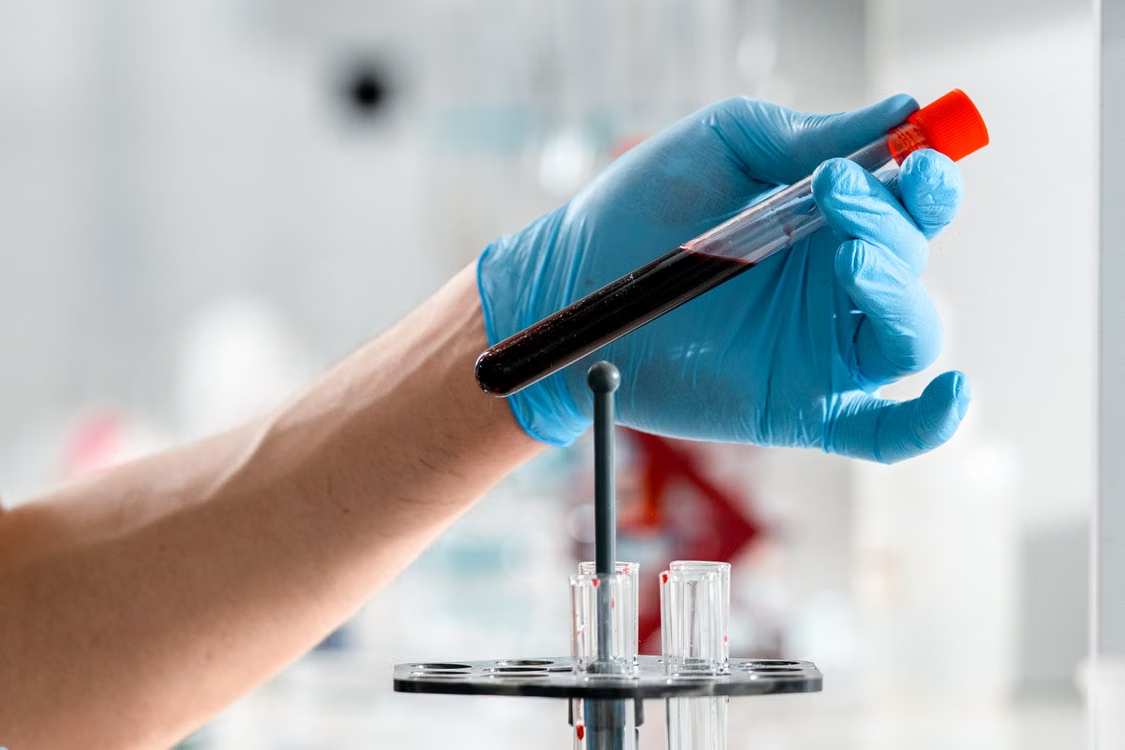
A Blood Investigation Clinic is not the same as turning up to a hospital for a specific test your GP ordered. It is a structured service designed to look broadly across your health, taking samples and analysing them across a range of markers that cover organ function, metabolic health, nutritional status, and cardiovascular risk.
What separates a good clinic from a basic testing service is what happens after the sample is taken. Results need to be reviewed by a doctor who understands your personal context: your age, your family history, your current medications, your lifestyle. A number sitting outside the reference range means something different depending on who you are. That clinical interpretation is what turns a list of results into genuinely useful health information.
Full Body Health Screening: What It Covers and Why Each Part Matters
A Full Body Health Screening typically works through several categories of testing, each looking at a different system. The breadth is the point. A targeted test tells you about one thing. A comprehensive panel tells you how multiple systems are functioning together, and whether anything that appears borderline in isolation is more significant when seen alongside other results.
Full Blood Count
This measures red blood cells, white blood cells, haemoglobin, and platelets. It flags anaemia, which research has found to be prevalent in Ireland with low rates of screening, as well as infection, inflammation, and a range of blood disorders. It is a routine test that carries a lot of clinical information in a short panel.
Liver and Kidney Function
Both organs filter and process nearly everything that enters the body, and both can sustain significant damage before producing any noticeable symptoms. Liver enzymes indicate strain or damage to the liver. Kidney function markers assess how efficiently waste products are being cleared from the blood. Catching abnormalities here early allows for investigation and, in many cases, reversal of the underlying cause.
Cardiovascular Markers
Cholesterol, LDL, HDL, and triglycerides form the core of cardiovascular risk assessment. High blood pressure is Ireland’s most prevalent self-reported health condition, and high cholesterol contributes to the same cardiovascular risk profile. Neither condition typically produces symptoms in the early years. A blood panel is the standard way to find both.
Blood Sugar and Diabetes Risk
Fasting glucose and HbA1c assess how the body is managing blood sugar over time. HbA1c reflects average blood sugar across roughly three months, making it a reliable indicator of prediabetes risk. Type 2 diabetes develops gradually and is often entirely manageable when identified at the prediabetic stage through changes to diet and physical activity, before medication becomes necessary.
Thyroid Function
Thyroid dysfunction, particularly underactive thyroid, is closely linked to fatigue, weight gain, low mood, and cognitive slowness. These symptoms are vague enough to be attributed to any number of other causes, which is why thyroid problems often go undetected for years. A TSH test, included in most screening panels, rules it in or out cleanly.
Vitamin D and B12
Ireland sits between 52 and 55 degrees north latitude, which limits the amount of ultraviolet light available for cutaneous vitamin D synthesis for much of the year. Published research has found that approximately half the Irish adult population has vitamin D levels below the point considered sufficient. B12 deficiency, similarly, is common and often missed, producing fatigue, poor concentration, and neurological symptoms that can take years to attribute correctly.
Iron Studies
Ireland has the highest rate of hereditary haemochromatosis in the world. The condition causes excessive iron absorption from food, which over time accumulates in the liver, heart, and joints and can cause serious organ damage. It responds well to treatment when caught early. Iron studies as part of a screening panel identify both iron overload and iron deficiency anaemia, both of which are more prevalent in Ireland than most people realise.
Inflammatory Markers
CRP and ESR are markers of systemic inflammation, which is relevant to cardiovascular risk, autoimmune conditions, and a range of other health concerns. Elevated markers do not point to a single diagnosis but indicate that something warrants further investigation, often before symptoms have developed enough to notice.
Walk-in Blood Test Dublin: Getting Tested Without a Long Wait
Not every blood test needs to follow a GP referral and a scheduled appointment. A Walk-in Blood Test Dublin service allows patients to attend the clinic, have a sample taken, and get the relevant tests processed without waiting for a slot days or weeks away.
This works well in a range of situations: someone monitoring a known condition, a person following up on advice from a previous consultation, or anyone who wants to get a specific marker checked without going through a full screening process first. The walk-in blood test Dublin option is also useful for people with busy schedules who cannot plan appointments far in advance but want to take action when they have a window.
Results for standard panels are generally available within one to two days, and a doctor reviews the findings before they are communicated to the patient.
Blood Screening Clinic vs Blood Investigation Clinic: What Is the Difference?
A Blood Screening Clinic runs a broad panel across your health without a specific clinical question driving it. The aim is to establish where things stand, catch anything unexpected, and give you a baseline to measure future results against. It suits people who feel well and want to confirm that they actually are.
A blood investigation clinic, by contrast, typically follows a specific concern or an abnormal result. Something came up in a previous test, or a symptom has developed that warrants a closer look at a particular system. The investigation is more targeted, though it may still involve a range of tests to rule in or out several possible explanations.
A good blood screening clinic will tell you clearly at booking which service suits your situation, rather than putting everyone through the same process regardless of their needs.
What Is Included in a Full Health Screening?
The honest answer is that it varies between clinics and packages, so it is worth asking directly before booking. A comprehensive screening should, at minimum, cover full blood count, liver and kidney function, cholesterol and cardiovascular markers, blood sugar, and thyroid function. Better packages add vitamin D, B12, iron studies, CRP, and hormonal panels where relevant to the patient’s age and sex.
A reputable clinic will list exactly what is included in each package, explain why each marker is measured, and allow you to discuss additions with a doctor if there are specific concerns you want addressed. If a clinic is vague about what it tests for, that is a signal to look elsewhere.
Frequently Asked Questions
What is included in a full health screening?
A thorough full body health screening typically includes full blood count, liver and kidney function, cholesterol, blood sugar, thyroid function, vitamin D, B12, iron studies, and inflammatory markers. The exact panel varies by clinic and package. Always confirm the full list before booking and ask about adding specific tests if there are areas of your health you want looked at more closely.
Can I get same day blood tests in Dublin?
Yes. Private clinics offering walk-in or same-day appointments can take a sample on the day you attend. Standard panels are usually returned within one to two business days. If you need urgent results, ask the clinic directly about turnaround times when you book.
How often should I attend a blood investigation clinic?
For most healthy adults, attending a Blood Investigation Clinic for a full screening once a year is a reasonable baseline. If you have existing health conditions, a family history of metabolic or cardiovascular disease, or are managing a condition that requires monitoring, more frequent testing may be appropriate. A doctor can advise on the right schedule for your situation.
Conclusion
The conditions most likely to cause serious health problems in Ireland, including hypertension, diabetes, thyroid dysfunction, iron overload, and vitamin deficiencies, are largely silent in their early stages. Feeling well is a poor indicator of whether they are present. Blood testing is the reliable way to know.
A Blood Investigation Clinic turns that uncertainty into clarity. It gives you a factual picture of where your health stands, identifies anything that needs attention, and allows you to take action while the range of options is still wide. Waiting for symptoms is a strategy that rarely works in your favour.
To book a blood test or health screening, visit Ellwood Clinic.
For More Insight, Click Below:
Find a Trusted GP Doctor in Dublin Who Actually Listens to You

