
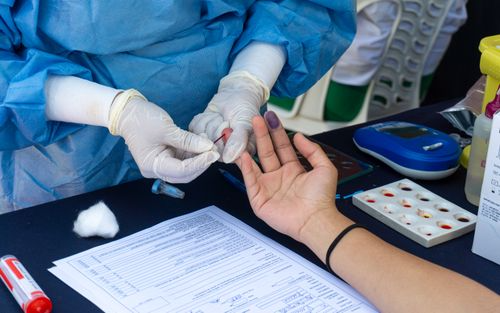
Most people only get their blood checked when something is already wrong. A symptom shows up, a GP orders a test, and the results either explain the problem or rule something out. A full health screening works the other way round. It looks at your body before anything feels wrong, picking up early signs of issues that often have no symptoms at all until they have progressed.
That is the real value of attending a Blood Screening Clinic. It gives you a clear, evidence-based picture of how your body is functioning right now, not just a reaction to something that has already gone wrong. This guide walks through exactly what a full screening covers, why each part matters, and how to access one in Dublin.
What Is a Blood Screening Clinic?
A Blood Screening Clinic provides structured blood testing aimed at assessing overall health rather than investigating a specific complaint. Samples are taken and analysed across a wide panel of markers, covering everything from organ function to nutrient levels to markers associated with long-term disease risk.
The results are then reviewed by a doctor, who interprets them in the context of your age, sex, lifestyle, and medical history. This is the part that makes a real difference. A list of numbers on a page means very little without someone qualified to explain what they actually indicate and what, if anything, needs to be done about them.
What Does a Full Body Health Screening Actually Include?
A Full Body Health Screening typically covers several categories of testing, each looking at a different aspect of how your body is working. The exact panel varies between clinics and can be tailored to age, sex, and personal risk factors, but most comprehensive screenings include the following.
Full Blood Count
This measures red blood cells, white blood cells, and platelets. It can flag anaemia, infection, inflammation, and a range of blood disorders. It is one of the most basic and most informative tests available, and abnormal results often point clinicians toward further investigation in a specific direction.
Liver and Kidney Function
These organs filter and process almost everything that enters your body, and problems with either often produce no symptoms in the early stages. Liver function tests check enzyme levels that indicate strain or damage. Kidney function tests assess how efficiently waste is filtered from the blood.
Cholesterol and Cardiovascular Markers
A lipid profile measures total cholesterol, HDL, LDL, and triglycerides. These figures are central to assessing cardiovascular risk, and because high cholesterol rarely causes any noticeable symptoms, screening is often the only way to catch it before it contributes to a more serious event.
Blood Sugar and Diabetes Risk
Fasting glucose and HbA1c tests look at how your body is managing blood sugar over time. HbA1c in particular gives a picture of average blood sugar levels over roughly three months, making it a useful marker for catching prediabetes before it develops into type 2 diabetes.
Thyroid Function
The thyroid regulates metabolism, energy, mood, and a range of other bodily functions. An underactive or overactive thyroid can produce vague symptoms like fatigue, weight changes, or low mood, which are easy to attribute to other causes. Thyroid testing is a simple way to rule this in or out.
Vitamin and Mineral Levels
Deficiencies in vitamin D, vitamin B12, iron, and folate are common and often go unnoticed for a long time. They can affect energy, mood, cognitive function, and immune health. Including these in a screening panel often explains symptoms that might otherwise be put down to stress or simply getting older.
Inflammatory Markers
Markers such as CRP can indicate inflammation in the body, which is relevant to a wide range of conditions, including cardiovascular disease and autoimmune conditions. Elevated levels do not point to a specific diagnosis on their own but often prompt further investigation when combined with other findings.
Hormonal Panels
Depending on age and individual circumstances, hormonal testing may be included to assess reproductive health, menopause status, or testosterone levels. This is particularly relevant for people experiencing symptoms like fatigue, changes in mood, or changes in libido that have not been otherwise explained.
Walk-In Blood Test Dublin: How Convenient Access Works
Not everyone wants or needs the full screening package straight away. Sometimes a single test or a small panel is all that is required, and a Walk-In Blood Test Dublin service makes that simple. You attend the clinic, have your blood drawn, and the relevant tests are sent for analysis without needing a separate consultation first.
This works well for people who already know what they need tested, perhaps following a GP’s advice or as part of monitoring an existing condition. A walk-in blood test Dublin option is also useful for anyone short on time who wants to get a test done quickly, rather than waiting for a scheduled appointment slot.
Most reputable clinics will still have a doctor review the results once they come back, even for walk-in tests, so you are not left interpreting numbers on your own.
What to Expect from a Blood Investigation Clinic?
A Blood Investigation Clinic is geared toward looking deeper into a specific concern rather than a general screen. This might follow on from an abnormal result, a persistent symptom that has not been explained, or a GP referral for further testing.
The process at a Blood Investigation Clinic usually starts with a consultation to understand the background and decide which tests are appropriate. From there, the relevant panels are run, and a follow-up appointment goes through the findings and what they mean in practical terms.
The distinction between a screening clinic and an investigation clinic is mostly about intent. Screening looks broadly across your health. The investigation looks specifically at something that has already raised a question.
What Is Included in a Full Health Screening?
This is one of the most common questions people ask before booking, and the honest answer is that it depends slightly on the clinic and the package chosen. At a minimum, a thorough screening should cover full blood count, liver and kidney function, cholesterol, blood sugar, and thyroid function. More comprehensive packages add vitamin levels, inflammatory markers, and hormonal testing where relevant.
A good clinic will be upfront about exactly what is included before you book, and will adjust the panel based on your age, sex, and any particular concerns you raise during booking or at the appointment itself.
Can I Get Same-Day Blood Tests in Dublin?
Yes, same-day blood tests are widely available across private clinics in Dublin. Most clinics that offer walk-in testing can take a sample on the day you attend, and many also offer same-day or next-day results for standard panels, depending on the specific tests requested.
More complex or specialised tests can take longer to process, so if timing matters to you, it is worth asking the clinic directly when you book how long results are likely to take for the specific panel you need.
How to Prepare for a Health Screening
Some tests require fasting, usually for around eight to twelve hours beforehand, particularly for cholesterol and blood sugar markers. The clinic will tell you in advance if this applies to your panel. Staying well hydrated before your appointment makes the blood draw easier and more comfortable.
It is also worth bringing a list of any medications or supplements you are currently taking, since some can affect specific results. If you have had recent blood tests elsewhere, bringing those results along gives the reviewing doctor useful context for comparison.
Frequently Asked Questions
How often should I get a full-body health screening?
For most healthy adults, an annual Full Body Health Screening is a reasonable starting point. People with existing health conditions, a family history of certain diseases, or specific risk factors may benefit from more frequent testing, which a doctor can advise on directly.
Do I need a referral to attend a blood screening clinic?
No, most private clinics allow you to book directly with a Blood Screening Clinic without needing a GP referral. You can choose a screening package yourself or speak to the clinic about which tests suit your situation.
Is a walk-in blood test as thorough as a booked appointment?
The blood draw itself is identical whether you walk in or book ahead. The difference is mainly in preparation time and whether a consultation happens before testing. A walk-in blood test Dublin service is just as accurate, provided the right tests are selected for
Conclusion
A good screening does not just tell you what is wrong. More often, it tells you that things are fine, and that reassurance has real value on its own. When something does need attention, catching it early through a Blood Screening Clinic usually means more options and better outcomes than waiting for symptoms to appear.
If you have not had a full check-up in a while, or simply want a clear picture of where your health stands, booking a screening is a straightforward way to find out.
To learn more or to book your blood test and health screening, visit Ellwood Clinic.

