
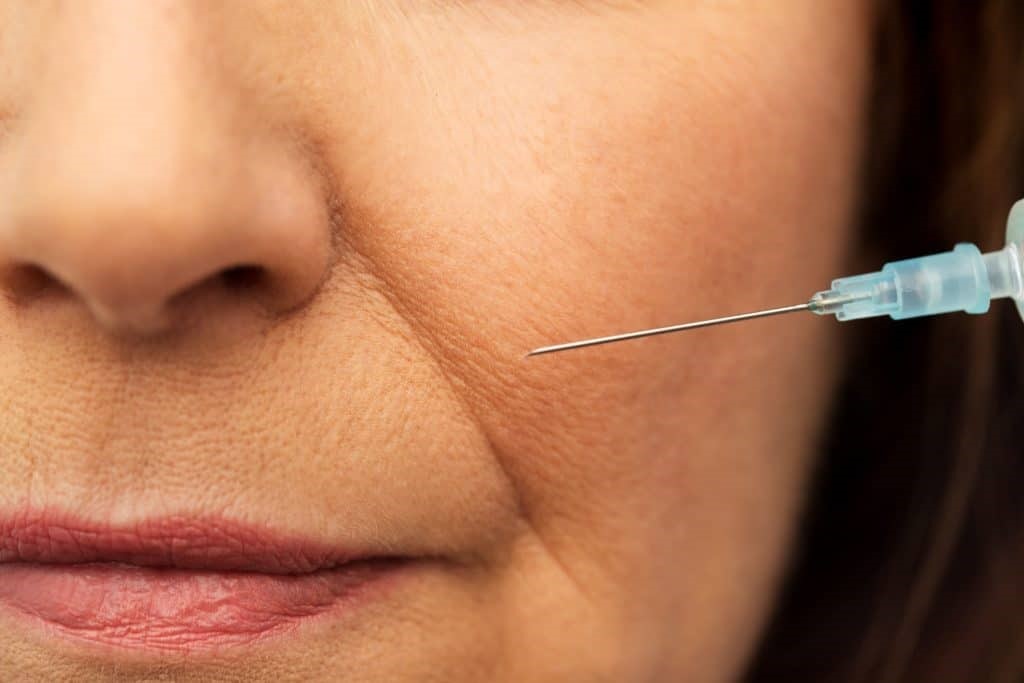
Most people’s first ideas of anti-wrinkle injections are softening facial expressions or smoothing lines. That association is understandable. Anti-wrinkle injections for medical relief at Ellwood Clinic, however, focus on something quite different: targeted symptom management for specific medical problems that affect mobility, comfort, and quality of life.
For years, neuromodulators like botulinum toxin have been investigated. They aid in reducing muscle overactivity, breaking pain patterns, and enhancing daily function in clinical medicine. These solutions also have a medical flair. They belong to a larger group of therapies based on research and thorough patient evaluation.
Below, we explore how anti-wrinkle injections are used beyond their cosmetic effects to treat jaw pain, muscular rigidity, excessive sweating, and headaches; then we show how a methodical, medically supervised strategy can provide real, useful pain relief.
What Are Anti-Wrinkle Injections?
Anti-wrinkle injections are neuromuscular medications derived from botulinum toxin. They essentially stop certain nerve impulses telling muscles to constrict. The muscle relaxes as that signal is muted or briefly cut off.
Most people have heard of this in beauty applications. Therapeutic anti-wrinkle injections use the same process for medicinal advantage, though. Tight or hyperactive muscles can increase current pain, tighten or overactive muscles exacerbate ongoing pain, and compress surrounding nerves. Over time, that conflict grows and does not always fix itself.
The treated muscle is allowed to rest with less excessive signalling. This relaxation lowers strain on neighbouring tissues and joints. Though the basic science overlaps, the medical uses of wrinkle treatments focus on functional enhancement and symptom relief rather than on appearance.
Common Medical Conditions Treated with Anti-Wrinkle Injections
The medical applications of wrinkle treatments are supported by ongoing clinical research and long-standing use of therapeutic botulinum toxin. One of the most recognised indications is chronic migraine. For some patients, especially when muscle tension is part of the pattern, anti-wrinkle injections can help to lower the frequency and intensity of headache days.
Another area where neuromuscular injection treatment can significantly help is muscle spasticity. Patients may move more easily and experience less pain by releasing ongoing tightness.
Excessive sweating, known as hyperhidrosis, can also be controlled in this fashion. Treatment reduces unwanted perspiration, sometimes drastically, by blocking signals from reaching sweat glands.
Well-aimed injections may alleviate jaw tension, TMJ pain, bruxism, and even cervical dystonia. These are not casual uses. They are structured, medically supervised applications designed for relief.
How Anti-Wrinkle Injections Provide Relief
Anti-wrinkle treatment alters the link between nerves and muscles, providing relief. Botulinum toxin affects a muscle, thereby reducing the generation of contraction-related neurotransmitters for a period. The muscle simply relaxes; it does not stop working absolutely.
This can break long-standing pain cycles. For instance, decreasing neck and scalp muscle tension in migraine management might lower sensitivity to triggers. Expectations have to be practical; though not a cure, many patients report fewer severe episodes.
Therapeutic anti-wrinkle injections reduce the continuous load on joints and nearby tissues in cases of jaw clenching or muscular spasm. Less stress and tension typically result in less pain.
This is neuromuscular modulation. It is deliberate and clinically guided. The goal is symptom control and functional improvement, not cosmetic alteration.
The Patient Journey — What to Expect at Ellwood Clinic
Patients seeking Anti-Wrinkle Injections for Medical Relief at Ellwood Clinic begin with a consultation. This isn’t a brief cosmetic in-and-out visit. Specifics of symptoms are covered. One thoroughly considers the medical background. Previous therapies are carefully reviewed.
From there, a custom-made strategy is created. Specific muscle groups are identified. Dosing is tailored to the condition being treated. Precision matters.
The injection procedure itself is usually brief and minimally invasive. Accuracy counts.
Usually fast and not very intrusive, the injection method itself is generally so. Most people bear it rather well. Following then is crucial. Results are evaluated, and future session changes could be needed.
This organised path mirrors a clinical procedure meant for safe, efficient alleviation. It is careful. It is considered. It is not rushed.
Safety, Side Effects & Aftercare
When given by qualified practitioners, therapeutic botulinum toxin has a proven safety record. Although small adverse effects can happen, anti-wrinkle injections are usually well tolerated.
Common and often transient are temporary redness, mild swelling, and mild discomfort at the injection site. Depending on the area treated, little bruising or fleeting muscle weakness may occasionally appear. Generally speaking, these results go away on their own.
Although unusual, more serious problems underscore the need for appropriate assessment, precise placement, and proper dosing. Method counts.
Patients are told to avoid strenuous activity for several hours after treatment and not to rub the treated region. Regular everyday action is usually okay. An Anti-Wrinkle Specialist’s oversight reduces risk and helps optimise the therapeutic benefits of neuromuscular injection therapy.
Evidence & Clinical Support Behind Medical Benefits
The medical applications of wrinkle treatments are not based solely on anecdote. Clinical studies have demonstrated that therapeutic anti-wrinkle injections can significantly reduce migraine days in patients with chronic patterns. Research also supports improvements in muscle spasticity and related functional limitations.
Evidence shows that botulinum toxin reduces sweating by blocking nerve activation of sweat glands in hyperhidrosis. Recognised treatment standards and regulatory approvals capture these results.
Because of this body of research, anti-wrinkle injections are licensed in many jurisdictions for specific medical conditions. They are part of mainstream practice, not experimental therapy.
When delivered within a structured clinical framework, and when patient selection is appropriate, they offer a scientifically supported path to symptom relief and improved quality of life.
Who Is a Candidate? And Who Should Proceed With Caution?
Adults with chronic migraines, continuous jaw tightness, muscular tension, or excessive perspiration that impairs self-confidence and daily comfort are among those seeking Anti-Wrinkle Injections for Medical Relief at an Anti-Wrinkle Clinic. Neuromuscular injection therapy may be suitable if muscle overactivity is adding to the difficulty.
That being said, not everybody is a good fit. Often, pregnancy and nursing require deferment. A thorough evaluation is necessary for persons with certain neuromuscular illnesses or recorded allergies to the substances of the injection. Some medications may also influence suitability.
This is why consultation matters. Self-diagnosis is deceptive. A methodical clinical evaluation assures that treatment with anti-wrinkle injections is likely to be effective and safe in every instance.
FAQs
Are anti-wrinkle injections safe for medical use?
Yes. When administered by qualified clinicians, therapeutic anti-wrinkle injections have a strong safety profile supported by research and clinical practice.
How soon will I feel relief after injections?
Some patients notice improvement within days. For others, benefits develop gradually over 1 to 2 weeks, depending on the condition being treated.
Is therapeutic dosing different from cosmetic use?
Yes. Medical applications require tailored dosing and precise muscle targeting to achieve symptom relief.
Conclusion
Ellwood Clinic’s medical relief anti-wrinkle injections go beyond mere cosmetic therapy. They offer a clinically based method of treating migraines, muscle tension, hyperhidrosis, and other neurological issues impacting daily life.
Targeting overactive muscles precisely and altering nerve signalling will help therapeutic anti-wrinkle treatments reduce pain patterns, alleviate functional stress, and increase comfort. Personalised assessment, secure delivery, and practical results are still the emphasis.
If you are exploring non-surgical options for symptom control, Anti-Wrinkle Injections for Medical Relief at Ellwood Clinic may be worth discussing. A consultation offers clarity, and perhaps the beginning of meaningful, medically supported relief.

